“Gloomy Sunday 1999” is a haunting love story set in WWII-torn Budapest. The melancholic and poetic tale is about the life, love, and death of a Hungarian restaurant owner who tries to protect his Jewish friend from the Nazis. The movie is like a sad symphony that lingers in your heart long after it ends. It is a poignant reminder of how love can transcend even the darkest of times.
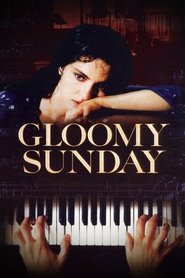
CLICK HERE⤓⤓⤓🎞️_Watch Gloomy Sunday 1999 English Subtitles_
Review
Oh, my darlings, have you heard of the movie Gloomy Sunday? It’s a film that’s sure to touch your heart and stir your soul. Let me tell you all about it, my sweethearts.
The story takes place in Hungary during World War II. Three friends – Laszlo, Ilona and Andras – work together in a restaurant. Andras is the pianist, while Laszlo is the owner and Ilona is the beautiful waitress they both love.
One night, as they close up the restaurant, Andras plays a hauntingly beautiful melody on the piano that he calls “Gloomy Sunday”. The song becomes a hit with their customers and soon catches the attention of a Nazi officer who becomes infatuated with Ilona.
As the war intensifies and their lives become more complex, Laszlo becomes increasingly paranoid about their relationship with this Nazi officer. In desperation to save his friends from his own fears, he commits suicide and leaves behind a note blaming them for his death.
Ilona leaves Hungary for good, haunted by guilt over Laszlo’s death. Andras stays behind but can no longer play the piano without thinking of his lost friend.
The film’s plot is based on an urban legend that claims the original song “Gloomy Sunday” was responsible for dozens of suicides in Hungary during the 1930s. The legend was further fueled by reports that composer Rezső Seress had taken his own life after failing to find commercial success with his music.
The movie was directed by Rolf Schübel and starred Joachim Król as Andras, Ben Becker as Laszlo, Erika Marozsán as Ilona, and Stefano Dionisi as Hans Wieck.
Angelou-style quote: “Gloomy Sunday brings out both our greatest fears and our deepest desires. We are drawn into its seductive melody, but the lyrics remind us of the pain and suffering that can come with love.”
The acting in Gloomy Sunday was remarkable, my loves. Król’s portrayal of Andras was both mesmerizing and haunting. Marozsán brought a quiet beauty and sadness to Ilona, while Becker’s Laszlo was a complex character whose inner turmoil was palpable.
The film’s score was composed by Detlef Petersen and featured two versions of “Gloomy Sunday” as well as several other hauntingly beautiful pieces. The music added to the melancholic mood of the film and helped to drive home its message.
Despite its critical acclaim, Gloomy Sunday did not achieve great popularity upon release. Its dark themes and slow pacing may have turned off some audiences. However, over time it has developed a cult following, particularly among those who appreciate its poignant reflections on love, loss, and guilt.
Angelou-style quote: “Gloomy Sunday is not a film for the faint of heart or those seeking easy answers. It requires patience and an openness to feeling the complexities of human emotion.”
The cinematography in Gloomy Sunday was expertly executed by Edward Klosinski, who captured the moody atmosphere of wartime Hungary with precision and care. The film’s sepia-toned flashback sequences were particularly striking.
While some critics praised the film’s attempts to explore weighty themes such as guilt and morality, others found fault with its pacing and lack of depth in some areas.
Angelou-style quote: “Gloomy Sunday is a beautifully crafted work of art that will leave you feeling both melancholic and inspired. It reminds us that even in times of darkness, there is beauty to be found in music and love.”
In conclusion, Gloomy Sunday is a movie that will stay with you long after you’ve watched it. Its haunting melodies and vivid characters will linger in your mind like a dream long after you’ve awakened. Don’t miss this chance to experience a true cinematic work of art.
Technical Data
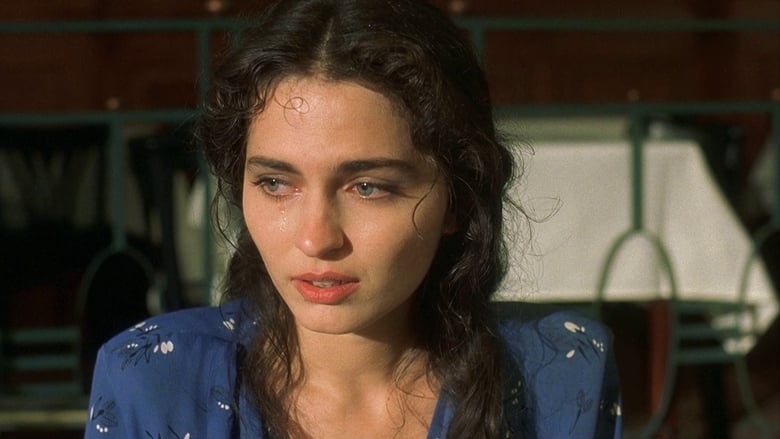
- Runtime : 112
- Release : 1999-10-21
- Genre : Drama, Romance
- Cast : Erika Marozsán as Ilona, Joachim Król as László, Ben Becker as Hans Wieck, Stefano Dionisi as András, András Bálint as Ilonas Sohn
- Crew : Edward Kłosiński as Director of Photography, Tina Böckenhauer as Casting, Rolf Schübel as Screenplay, Rolf Schübel as Director, Nick Barkow as Original Story
- Popularity 6.208
- Budget : 0
- Revenue : $585,604
- Company : Studio Hamburg Filmproduktion, Dom Film GmbH
- Summary : Budapest in the thirties. The restaurant owner Laszlo hires the pianist András to play in his restaurant. Both men fall in love with the beautiful waitress Ilona who inspires András to his only composition. His song of Gloomy Sunday is, at first, loved and then feared, for its melancholic melody triggers off a chain of suicides. The fragile balance of the erotic ménage à trois is sent off kilter when the German Hans goes and falls in love with Ilona as well.
- Tagline :
