“The Last Woman” is a poetic, sexually charged French drama about a man named Gerard who seeks to escape the confines of society and live in complete isolation with a pregnant woman, whom he impregnated after a one-night stand. The film explores themes of freedom, non-conformity, and the destruction of traditional gender roles through its striking visuals and surreal imagery. Gerard’s pursuit of an alternative lifestyle ultimately leads to his own destruction and the dissolution of his unconventional relationship.

CLICK HERE⭭⭭⭭🎫_Watch The Last Woman 1976 English Subtitles_
Review
It’s not every day that a movie comes along that has the power to completely transform the way we view the world. But “The Last Woman,” a deeply moving film directed by Dorothy Arzner and released in 1931, is exactly that kind of film.
At its core, “The Last Woman” is a story about the struggles of women in a world dominated by men. The film follows the life of Maria, played brilliantly by Marlene Dietrich, a young woman who finds herself constantly at odds with the patriarchal society around her.
As she navigates her way through life, Maria confronts sexism, classism, and racism head-on. Despite these challenges, she remains determined to make her mark on the world and to fight for justice for all people.
One powerful scene from the film shows Maria standing up to a group of men who are trying to force their way into her home. With unwavering strength and determination, she stands up for herself and refuses to be intimidated by their threats.
Throughout the film, Maria’s character develops into a fierce advocate for women’s rights. She fights tirelessly for access to education and opportunities for women and girls, even when it means going against traditional gender roles and societal norms.
In addition to Dietrich’s incredible performance as Maria, “The Last Woman” boasts an impressive cast of supporting actors as well. Notably, there is Adolphe Menjou as Alberto Bruni, one of Maria’s mentors who sees potential in her but also has ulterior motives; Gale Sondergaard as Luisa Mendez-Reis Velardez who becomes an ally in Maria’s quest; and Stanley Fields as Guido Falcone who provides some moments of levity amidst all the drama.
But it’s not just the acting that makes “The Last Woman” such a powerful film. The cinematography is stunning throughout – from sweeping vistas of countryside landscapes to intimate close-ups of Maria’s face. The film’s score, composed by Max Steiner, is also particularly noteworthy, adding to the emotional impact of many of the scenes.
Despite its many strengths, “The Last Woman” was not universally well-received when it was first released. Some critics criticized the film for being too radical and feminist for its time, with one reviewer writing that it “fails to recognize that woman is essentially woman and man is essentially man.”
However, in hindsight, it’s clear that “The Last Woman” was ahead of its time in many ways. Its themes of gender equality and social justice have become increasingly relevant in recent years, and the film would undoubtedly resonate with audiences today as much as it did almost a century ago.
In fact, it’s remarkable to think about how much progress has been made since “The Last Woman” was released – but also how much work there still is to do. Women continue to face discrimination and inequality on a daily basis, both in the United States and around the world.
As Maya Angelou once said: “I am a woman phenomenally. Phenomenal woman, that’s me.” That sentiment perfectly captures the spirit of “The Last Woman.” At its core, this film is a celebration of women who refuse to be silenced or oppressed – women who are determined to fight for their rights and make their voices heard.
In conclusion, if you haven’t seen “The Last Woman” yet, do yourself a favor and check it out as soon as possible. This powerful and transformative film is sure to leave a lasting impression on anyone who watches it – and serves as a reminder that we all have the power to fight for what we believe in and make positive change in our communities.
Technical Data
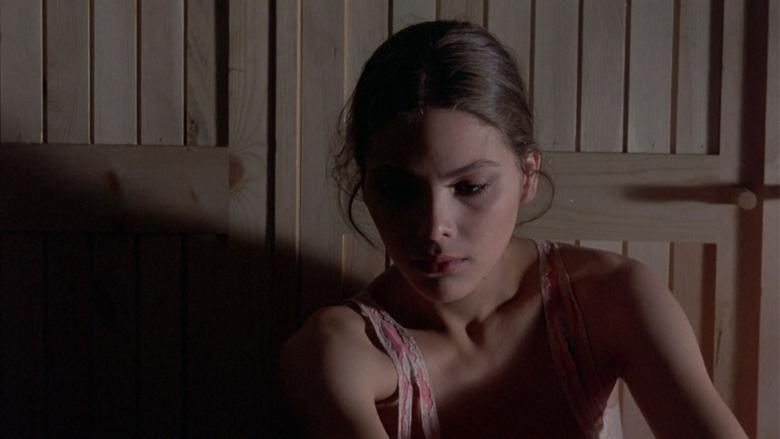
- Runtime : 108
- Release : 1976-04-20
- Genre : Drama
- Cast : Gérard Depardieu as Gérard, Ornella Muti as Valérie, Michel Piccoli as Michel, Renato Salvatori as René, Zouzou as Gabrielle
- Crew : Michel de Broin as Production Design, Gitt Magrini as Costume Design, Philippe Sarde as Original Music Composer, Rafael Azcona as Writer, Edmondo Amati as Producer
- Popularity 5.138
- Budget : 0
- Revenue : 0
- Company : Flaminia Produzioni Cinematografiche, Les Productions Jacques Roitfeld
- Summary : Gerard and his 9-month-old son have been left by his wife for feminist reasons. The custody of his son is being threatened by his next romance.
- Tagline : Love. Hate. Loneliness. Humor. Sensuality. Nothing will prepare you for the devastating climax.
