In “The Power of One,” a young white South African boy named Peekay struggles to find his place in a society dominated by racism and prejudice. With the help of influential mentors and his own determination, Peekay learns to harness the power of his individuality and fight against oppression, like a lone lion against a pack of hyenas. Despite facing challenges and setbacks along the way, Peekay ultimately triumphs as a symbol of hope and resilience in the face of adversity.
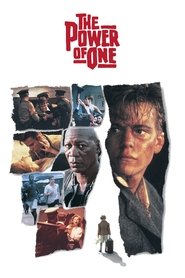
CLICK HERE⇣⇣⇣🎦_Watch The Power of One 1992 English Subtitles_
Review
In the late 1980s, a film directed by John G. Avildsen took the world by storm. This movie, called “The Power of One,” details the life of a young man named PK, played by Stephen Dorff. The story is set in South Africa during apartheid, and it follows PK as he navigates his childhood and adolescence amidst racial tension and strife.
One of the most compelling aspects of “The Power of One” is its storyline. It’s a classic coming-of-age tale with a twist – instead of simply growing up and learning about himself, PK is also fighting against the oppressive system that surrounds him. The movie balances themes of personal growth with political activism, resulting in a powerful message about individual agency and social change.
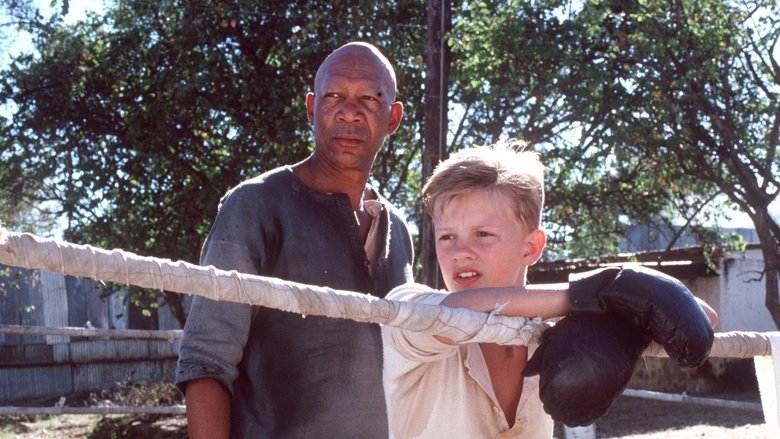
The plot of “The Power of One” is sprawling and epic in scale. It covers PK’s life from age five to adulthood, following him as he learns how to box from his mentor Doc (Morgan Freeman), develops close friendships with people from different racial backgrounds, and confronts violent extremist groups that seek to hurt those he cares about.
One interesting fact about the movie is that it’s based on a novel of the same name by Bryce Courtenay. The book was hugely popular in Australia when it was first published in 1989, but it wasn’t until Avildsen adapted it for the screen that its international appeal took off.
The cast of “The Power of One” is incredibly talented. In addition to Dorff and Freeman, there are notable performances from Armin Mueller-Stahl as Doc’s estranged brother Gideon, John Gielgud as PK’s headmaster at school, and Fay Masterson as Maria – one of PK’s closest friends who ultimately becomes more than just a friend.
One standout quote from the movie comes early on when Doc tells PK: “First with your head and then with your heart.” This advice sets the tone for the rest of the film, as PK learns that he must be strategic and thoughtful in his actions, but also passionate and committed in order to effect change.
The acting in “The Power of One” is superb. Dorff demonstrates a range of emotions as PK, from vulnerability to anger to determination. Freeman is a steady presence throughout the movie, portraying Doc with a quiet strength that underlines his role as a mentor figure.
One historical note about the movie is that it was released in 1992, shortly after apartheid officially ended in South Africa. Although the film takes place during apartheid, it’s important to note that it was made after the fact and therefore has a different perspective than movies made during the actual period of racial segregation.
The score for “The Power of One” was composed by Hans Zimmer, who has gone on to become one of Hollywood’s most prolific and acclaimed composers. The music is beautiful and haunting, with elements of traditional African rhythms mixed with orchestral flourishes.
Despite its popularity upon release, “The Power of One” hasn’t endured quite as much as some other movies from its era. It received mixed reviews from critics at the time, with some praising its performances and themes while others found it formulaic or overly sentimental.
Cinematography-wise, “The Power of One” is visually striking. The South African landscape serves as a beautiful backdrop for many scenes, and Avildsen makes effective use of close-up shots to emphasize characters’ emotions.
Although “The Power of One” didn’t receive any major awards when it was first released, it has since become something of a cult classic among fans. Its themes of individual empowerment and social justice are still relevant today, making it an enduring piece of cinema despite any initial lukewarm responses.
Perhaps one reason why “The Power of One” hasn’t stayed in the popular consciousness quite as much as some other ’90s movies is because it doesn’t have many flashy special effects. Instead, it relies on strong performances and a compelling storyline to capture the audience’s attention.
The development of “The Power of One” was a lengthy process. Courtenay’s novel was optioned for adaptation almost immediately upon publication, but it took several years of rewrites and false starts before Avildsen was able to make the movie.
One particularly noteworthy aspect of the movie is the dialogue. The script contains many memorable lines that are both poetic and poignant. For example, PK tells Maria at one point: “I’ve been thinking about how you said life can be so hard sometimes. It is though, isn’t it? It really is.”
The crews for “The Power of One” were extensive – the movie required an international cast and crew to bring its vision to life. From costume designers to sound technicians to location scouts, everyone involved in making the film contributed to its overall success.
There are some who criticize “The Power of One” for being overly simplistic or didactic in its approach to social issues. However, others argue that its message is essential – that one person can make a difference even in the face of overwhelming odds.
In terms of production, “The Power of One” was a challenging movie to make due to its large scale and complex themes. But Avildsen and his team were able to pull it off with aplomb, resulting in a film that remains emotionally resonant decades after it was first released.
Overall, “The Power of One” is a must-see movie for anyone interested in stories about personal growth, activism, or social justice. Its themes are universal and timeless, reminding us that each individual has the power to effect change – no matter how daunting or impossible the task may seem.
Technical Data
- Runtime : 127
- Release : 1992-03-27
- Genre : Drama
- Cast : Morgan Freeman as Geel Piet, Stephen Dorff as P.K. Age 18, Simon Fenton as P.K. Age 12, Guy Witcher as P.K. Age 7, Armin Mueller-Stahl as Doc
- Crew : Robert Mark Kamen as Screenplay, Kevin Phipps as Art Direction, Hans Zimmer as Original Music Composer, Arnon Milchan as Producer, Steven Reuther as Executive Producer
- Popularity 13.112
- Budget : $18,000,000
- Revenue : $2,827,107
- Company : Alcor Films, Canal+, Regency Enterprises
- Summary : PK, an English orphan terrorized for his family’s political beliefs in Africa, turns to his only friend, a kindly world-wise prisoner, Geel Piet. Geel teaches him how to box with the motto “fight with your fists and lead with your heart”. As he grows to manhood, PK uses these words to take on the system and the injustices he sees around him – and finds that one person really can make a difference.
- Tagline : An exhilarating epic of a triumph of the heart.
